Each summer, wildfire smoke can affect air quality across Washington. Even when fires are burning hundreds of miles away, smoke can drift into Western Washington, affecting communities like Puyallup and the surrounding Puget Sound region. For people living with nasal polyps, smoky air can make breathing feel more difficult and may worsen existing nasal and sinus symptoms. Understanding the connection can help you better manage your symptoms and know when it's time to seek treatment.
How Can Wildfire Smoke Affect Your Nose and Sinuses?
Wildfire smoke contains fine particles, gases, and other airborne irritants. These particles can enter the nose and upper airways, where they irritate the lining of the nasal passages and sinuses.
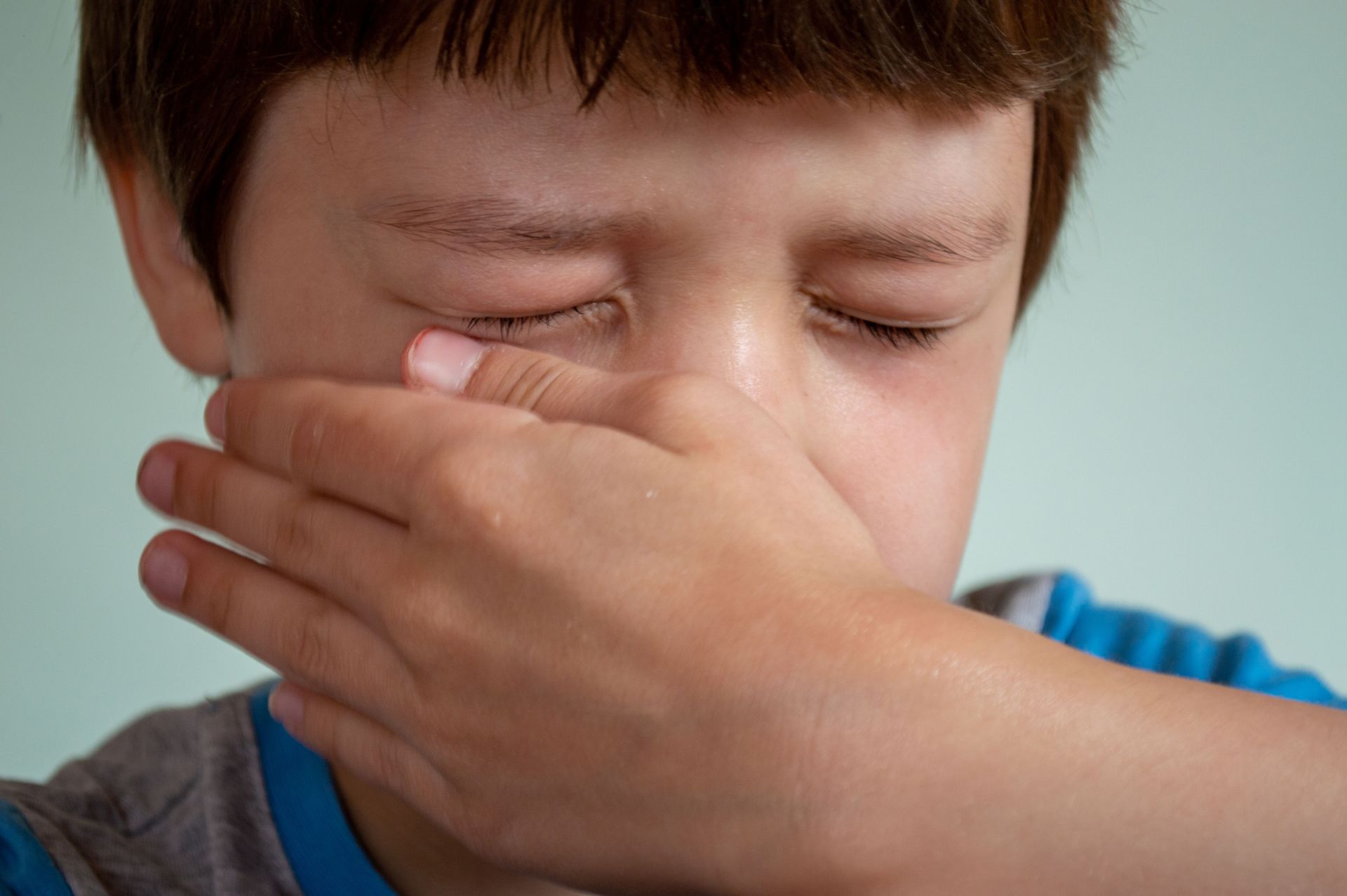
Even people without chronic sinus problems may notice symptoms such as nasal irritation, runny nose, sneezing, a scratchy throat, and watery eyes. For people with chronic nasal inflammation or nasal polyps, smoke exposure may make existing symptoms feel worse.
Can Wildfire Smoke Make Nasal Polyps Worse?
Yes. Although wildfire smoke does not cause nasal polyps, it
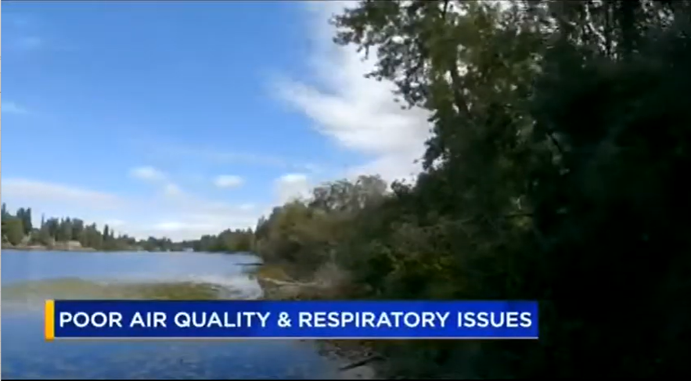
can worsen inflammation inside the nose and sinuses. This may increase nasal congestion, make breathing through your nose more difficult, worsen sinus pressure, and temporarily reduce your sense of smell. People with chronic sinusitis, allergies, or asthma may notice more severe nasal and respiratory symptoms during periods of poor air quality. The following news segment talks about air quality and how it is affecting the respiratory health of local residents.
Why Wildfire Season Matters in Washington
Late summer and early fall often bring wildfire smoke to Western Washington, even when fires are occurring elsewhere in the Pacific Northwest or Canada. Air quality can change quickly depending on weather patterns and wind direction.
For people with nasal polyps or chronic sinusitis, several consecutive days of smoky conditions may contribute to increased nasal irritation and make existing symptoms harder to control.
How to Protect Yourself During Wildfire Smoke Events
Although you cannot eliminate all exposure, following CDC wildfire smoke safety guidance and taking a few simple precautions can help reduce irritation when air quality declines.
Monitor Local Air Quality
Check your local Air Quality Index (AQI) before spending extended time outdoors. If air quality is unhealthy, consider postponing outdoor exercise or limiting time outside.
Keep Indoor Air Clean
Close windows and doors during smoky conditions when possible. Using a HEPA air purifier can help reduce indoor airborne particles.
Limit Outdoor Exercise
Running, hiking, and other strenuous activities increase the amount of smoke particles you inhale. Consider exercising indoors until air quality improves.
Stay Hydrated
Drinking plenty of water helps keep the nasal lining moist and may reduce irritation caused by dry, smoky air.
Continue Your Treatment Plan
Continue using prescribed nasal steroid sprays, saline irrigations, allergy medications, or biologic therapies exactly as directed by your physician. Keeping inflammation under control may reduce symptom flare-ups during periods of poor air quality.
When Should You See a Sinus Specialist?
If your symptoms persist long after the smoke has cleared, or if you experience chronic nasal congestion for more than 12 weeks, the problem may involve more than temporary irritation.
You should consider seeing a sinus specialist if you have:
- Ongoing difficulty breathing through your nose
- Recurrent sinus infections
- Persistent loss of smell
- Facial pressure that does not improve
- Nasal congestion that does not respond to allergy medications
An ear, nose, and throat (ENT) specialist can evaluate whether nasal polyps, chronic sinusitis, allergies, or another condition is contributing to your symptoms. Evaluation may include a nasal endoscopy, a CT scan of the sinuses when appropriate, or allergy testing to help determine the underlying cause of your symptoms.
Frequently Asked Questions
Does wildfire smoke cause nasal polyps?
No. Wildfire smoke does not cause nasal polyps. However, it can irritate the nasal passages and increase inflammation, making symptoms from existing nasal polyps more noticeable.
Can wildfire smoke make sinus congestion worse?
Yes. Smoke particles can irritate the lining of the nose and sinuses, contributing to increased congestion, sinus pressure, and nasal discomfort.
Should I exercise outside when wildfire smoke is present?
If air quality is poor, it's generally best to reduce strenuous outdoor activity because heavy breathing increases exposure to smoke particles. Exercising indoors until air quality improves may be a better option.
Can wildfire smoke cause loss of smell?
Temporary nasal inflammation caused by smoke may worsen an already reduced sense of smell in people with nasal polyps or chronic sinusitis. If smell loss persists, an evaluation by a sinus specialist is recommended.
Find Relief from Nasal Polyps in Puyallup, Washington
If you're experiencing persistent nasal congestion, reduced sense of smell, or recurring sinus infections, Dr. Greg Davis, an ENT specialist who has been recognized as a Top Doctor each year since 2017, can evaluate whether nasal polyps or another underlying sinus condition is the cause. Early diagnosis and treatment can help improve breathing, restore quality of life, and reduce ongoing inflammation.
Disclaimer:
This article is for educational purposes only and is not a substitute for medical advice. If you're experiencing severe breathing difficulties or worsening symptoms, seek medical care promptly.