When your child seems to have a stuffy nose that never completely clears, it is easy to assume allergies, frequent colds, or sinus infections are to blame. But in some cases, persistent nasal congestion can have another cause: nasal polyps.
Nasal polyps are uncommon in children. When they do occur, particularly when they are multiple or affect both sides of the nose, an evaluation by an ear, nose, and throat (ENT) specialist is important. Pediatric nasal polyps can sometimes be associated with underlying conditions that affect inflammation or mucus clearance and may require further evaluation.
Why Are Nasal Polyps Different in Children?
Nasal polyps in children are not simply smaller versions of adult polyps. In adults, nasal polyps are often linked to chronic sinus inflammation of the nose and sinuses. In children, they are much less common, and their presence may prompt an ENT specialist to look for conditions that can contribute to chronic sinonasal inflammation or problems with mucus clearance.
This does not mean that every child with a nasal polyp has an underlying systemic condition. Instead, the child's age, symptoms, medical history, examination findings, and other health concerns help determine whether additional evaluation is appropriate.
What Causes Nasal Polyps in Children?
Nasal polyps are associated with inflammation of the nasal and sinus lining. When a child has nasal polyps, an ENT specialist may look for conditions that contribute to chronic inflammation or interfere with normal mucus clearance.
Chronic Rhinosinusitis
Long-term inflammation of the nose and sinuses can contribute to persistent congestion, drainage, facial pressure, and reduced sense of smell. Chronic rhinosinusitis may also be associated with nasal polyps.
Cystic Fibrosis
This inherited condition affects mucus production and clearance. Children with cystic fibrosis have a higher risk of chronic sinus disease and nasal polyps.
Because nasal polyps are uncommon in otherwise healthy children, their presence may prompt an ENT doctor to consider cystic fibrosis or another underlying condition when appropriate.
Primary Ciliary Dyskinesia
Primary ciliary dyskinesia (PCD) is a rare inherited disorder that affects the function of tiny hair-like structures called cilia. These structures help move mucus out of the airways. When they do not work properly, children may develop chronic nasal and sinus problems, recurrent respiratory infections, and other airway symptoms. PCD may be considered when a child has persistent or recurrent sinonasal disease along with other characteristic symptoms.
Other Inflammatory or Immune Conditions
Other inflammatory or immune-related conditions may sometimes be considered when a child develops nasal polyps, particularly when symptoms are severe, recurrent, or accompanied by other health concerns.
Allergies can cause significant nasal inflammation and congestion, but allergic rhinitis alone is not considered a typical direct cause of nasal polyps. An evaluation can help distinguish allergies from other causes of persistent nasal symptoms.
How Are Nasal Polyps Diagnosed in Children?
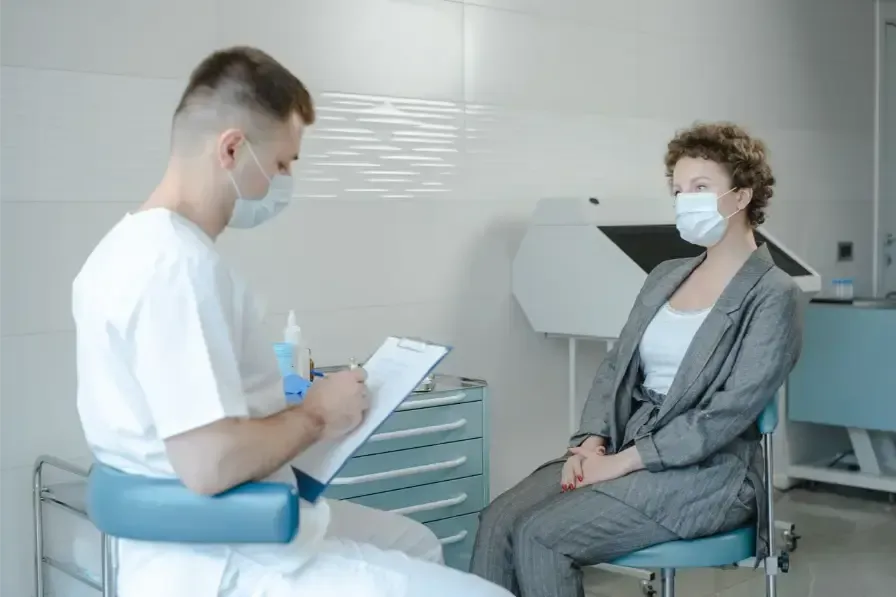
Diagnosis begins with a detailed medical history and physical exam. Your child’s ENT may ask about congestion, sinus infections, allergies, breathing, sleep, and sense of smell.
A nasal endoscopy may also be performed. This involves using a small camera to examine the nasal passages and look for polyps, inflammation, or other blockages. Depending on the findings, additional testing or imaging may be recommended.
Because nasal congestion and mouth breathing can have several causes, getting an accurate diagnosis is important before deciding on treatment.
Treatment Options for Nasal Polyps in Children
Treatment for nasal polyps depends on several factors, including the child's age, symptoms, the size and location of the polyps, and whether an underlying condition is contributing to the inflammation.
Medical Treatment
An ENT doctor may recommend saline nasal rinses or sprays and, when appropriate, nasal corticosteroid sprays to help reduce inflammation and improve nasal and sinus function.
Treatment may also include managing allergies or chronic rhinosinusitis when these conditions are contributing to symptoms. The goal is to control inflammation and address any underlying condition rather than simply treating the polyps themselves.
For adolescents 12 years and older with inadequately controlled chronic rhinosinusitis with nasal polyps, certain biologic medications may be considered in appropriate cases.
Sinus Surgery
If polyps are extensive or symptoms persist despite appropriate medical treatment, surgery may sometimes be considered.
Functional endoscopic sinus surgery (FESS) uses small instruments and a camera inserted through the nostrils to open sinus drainage pathways and remove obstructing or diseased tissue, including polyps when appropriate. Pediatric sinus surgery is generally reserved for carefully selected cases when medical management is not sufficient.
When to See an ENT Specialist for Your Child’s Nasal Congestion
Not every stuffy nose requires a specialist. Children commonly experience congestion from colds and allergies. However, consult your pediatrician or an ENT doctor if your child experiences:
- Nasal congestion that persists or keeps returning
- Ongoing mouth breathing
- Frequent or chronic sinus infections
- Persistent difficulty breathing through the nose
- A reduced sense of smell
- Significant snoring or disrupted sleep
- Symptoms that do not improve with appropriate allergy treatment
An ENT doctor can determine whether the problem is related to nasal polyps, allergies, enlarged adenoids, chronic sinusitis, a structural issue, or another condition.
Sinus Care in Puyallup, Washington
It’s frustrating when your child remains congested month after month, especially when allergy medications or sinus infection treatments offer little lasting relief. Though nasal polyps are uncommon in children, persistent nasal obstruction deserves attention.
For families in Puyallup and the surrounding South Puget Sound communities, Greg Davis, MD, a sinus specialist recognized as Top Doctor every year since 2017, evaluates persistent pediatric and adult nasal and sinus conditions. His team can help determine the cause of persistent nasal symptoms and develop an appropriate treatment plan for your child.
Disclaimer:
This article is for educational purposes only and is not a substitute for professional medical advice, diagnosis, or treatment. Every child is different, and treatment recommendations depend on the child's symptoms, medical history, and examination findings. If your child is experiencing severe or worsening breathing difficulties, seek prompt medical attention.